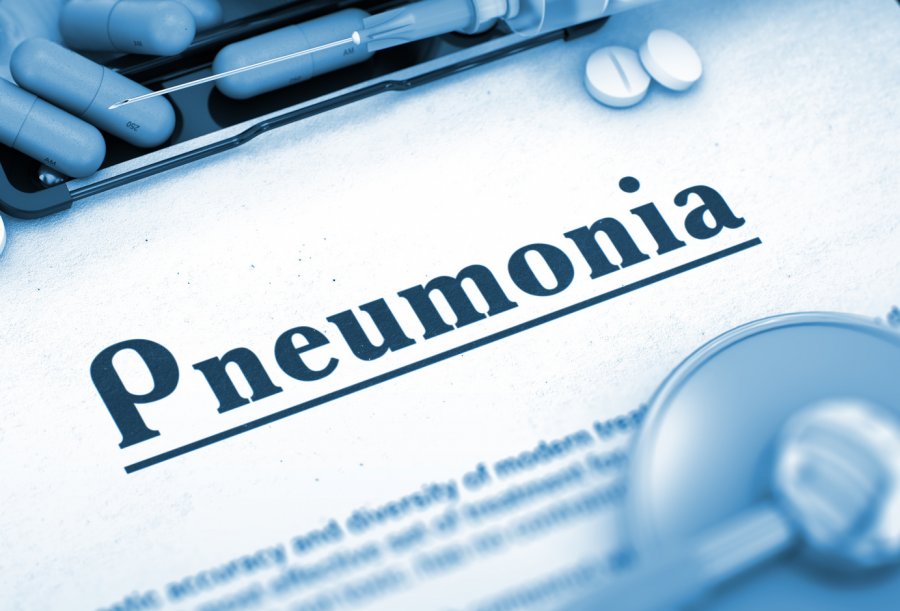
New research commissioned by Lung Foundation Australia reveals only a small number of people understand the importance of vaccination to good health, while just 1-in-5 at most risk of infection have been vaccinated against pneumococcal pneumonia.
The research, ‘Breathe well, age well’, which was conducted by Galaxy, reveals 66 per cent of Australian adults consider themselves to be younger and fitter than their parents were at their age. As a result, many underestimate the potential for vaccination to protect and further improve their health.
The majority of people aged 65 – 74 do not believe that contracting pneumococcal pneumonia would have a major impact on their lives.
Pneumococcal pneumonia is a severe lung infection that is responsible for a large proportion of pneumonia cases among people aged 65 years and over.
Respiratory physician and Lung Foundation Australia National Council member, Associate Professor Lucy Morgan, said while the positive attitude towards health is admirable, the reality is that 52 per cent of the older age group are at increased risk of contracting pneumococcal pneumonia through an existing medical condition or lifestyle factors, including smoking.
“We are seeing the rise of a generation of healthy, fit and fabulous Australians in their mid-60s who love to travel and to care for their grandchildren. They take good care of themselves, and are dedicated to ‘adding years to life’, by exercising and eating well, but don’t realise that developing pneumococcal pneumonia could change all of that.
“The stark reality is, all adults aged 65 and over are at increased risk of contracting pneumococcal pneumonia due to their age alone, and pneumococcal vaccination can ‘add life to years,’” said Associate Professor Morgan.
She expressed particular concern that the majority of Australians at risk of pneumococcal pneumonia do not intend to vaccinate against this preventable infection.
Pneumonia Awareness Week aims to raise awareness of the importance of protecting against pneumococcal pneumonia. Among seniors aged 65–74 who report they are yet to vaccinate against pneumococcal pneumonia, 40 per cent said they are not even aware of the vaccine’s existence.
Associate Professor Morgan said that while the vaccination rate for pneumonia is highest among those aged 65–74 years at 37 per cent, this still leaves the majority, almost two-thirds of people aged 65-74 years, unvaccinated against pneumococcal pneumonia.
Professor Robert Booy, Infectious Diseases Paediatrician and Immunisation expert, said it is important for Australian seniors to be vaccinated against pneumococcal pneumonia, for preventing an episode of infection could add years of high quality life to their natural lives, and may also help to curb the spread of infection to their vulnerable grandchildren, for whom many seniors care.
“Given that grandchildren are at risk of passing the often fatal lung infection onto their grandparents, and vice-versa, protecting against pneumococcal infection would enrich their lives, allowing them to spend more quality time caring for, and interacting with their grandchildren," said Professor Booy.
The research found that the prospect of passing on pneumococcal pneumonia to grandchildren is cause for concern for grandparents, with as many as 65 per cent of those yet to be vaccinated saying knowledge of this risk would prompt them to vaccinate.
Lung Foundation Australia CEO, Heather Allan, said the pneumococcal vaccination is funded under the National Immunisation Program for all Australians 65 years and older, indigenous Australians aged 50 years and over, and indigenous Australians aged 15 years and over who are medically at risk. She said a second dose of vaccine is also available to many Australians, a minimum of five years following their first dose. Furthermore, the vaccination is subsidised on the PBS for all adults 18 years or over who are medically at risk, such as those with chronic lung, heart or liver disease or diabetes.
“Pneumonia-like illness is one of the top 15 contributing causes of death in Australia. The illness can affect anyone. Individuals at greatest risk of pneumococcal pneumonia include infants; people aged over 65 years; those with impaired immunity; tobacco smokers; and people with chronic illnesses such as asthma, COPD, diabetes, heart disease, kidney disease and liver disease," said Ms Allan.