It was developed in the 20th century, when biologics, including those for multiple sclerosis (MS), were largely laboratory concepts and an expensive medicine cost $30 or $40.
Although the policy has evolved, its basic architecture remains a foundational element of Australia’s use of health technology assessment (HTA), most notably the lowest-cost comparator (LCC) approach.
The government’s leverage through LCC is tightly bound to reference pricing. That link helps explain why readers might assume officials framed the MS therapy issue to the minister as a matter of protecting the integrity of PBS decision-making should reference-price reductions be waived.
That argument, however, is misplaced.
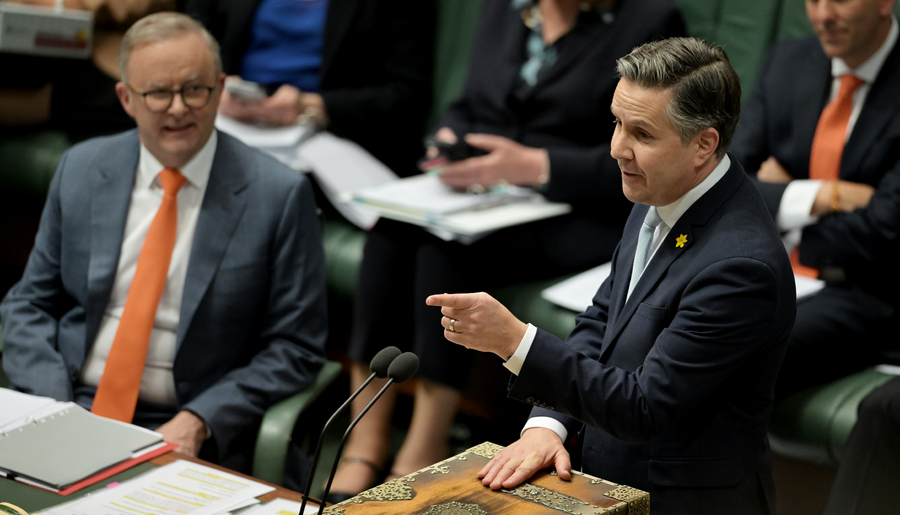
The policy is a policy, which can be changed, not an imperative that should force a minister to accept the withdrawal of innovative therapies for a progressive neurological condition where disease control is vital. Health Minister Mark Butler signalled as much in Canberra today. His response, invoking the Pharmaceutical Benefits Advisory Committee (PBAC), is the same pragmatic line all of his predecessors would offer.
The process is essentially a negotiation, one made riskier by a global pharmaceutical landscape dominated by the US and China, with local affiliates increasingly constrained in pricing and listing decisions. The outcome of a price negotiation in Australia now reverberates internationally, so the stakes are higher than they once were.
Mr Butler might reflect on his four years as minister and consider whether he has devoted as much attention to the risk of delisting as to listing decisions.
In the case of the MS therapies, by seeking PBAC advice, he is following the established route used by his predecessors. Constructing a defensible, convention-driven process. The letter sent to the companies is likely little changed from one drafted 25 years ago.
The minister does face a particular tension.
Historically, companies have usually relented in this situation, but to what extent has the world changed? The process is part of testing the potential new reality. The challenge is that the world may have changed more significantly and quickly than many realise. Processes that previously worked might make things worse in 2026.
No minister acting responsibly or exercising proper judgment would take any action that would result in patients losing access to innovative therapies for a degenerative neurological condition for which disease control is critical. The issue in this case is the risk that a minister will not exercise their legal authority.
Yet officials can point to many instances where price reductions were eventually accepted. Nonetheless, the PBAC’s role here is largely conventional. Under the National Health Act 1953, legal authority over pricing rests with the minister. The PBAC is a gateway to PBS or National Immunisation Plan listings, not a body that binds ministerial discretion over price, including once a medicine is already funded.
Ultimately, the substantive question is political and ethical rather than procedural. Will the minister prioritise strict adherence to an entrenched pricing architecture, with the predictable short-term savings it yields, or exercise his statutory discretion to protect patient access to effective MS treatments whose withdrawal would carry substantial clinical and social costs?
The answer is obvious. The path to get there, like the policy, is time-consuming, difficult, and very worrying for patients and their families.